
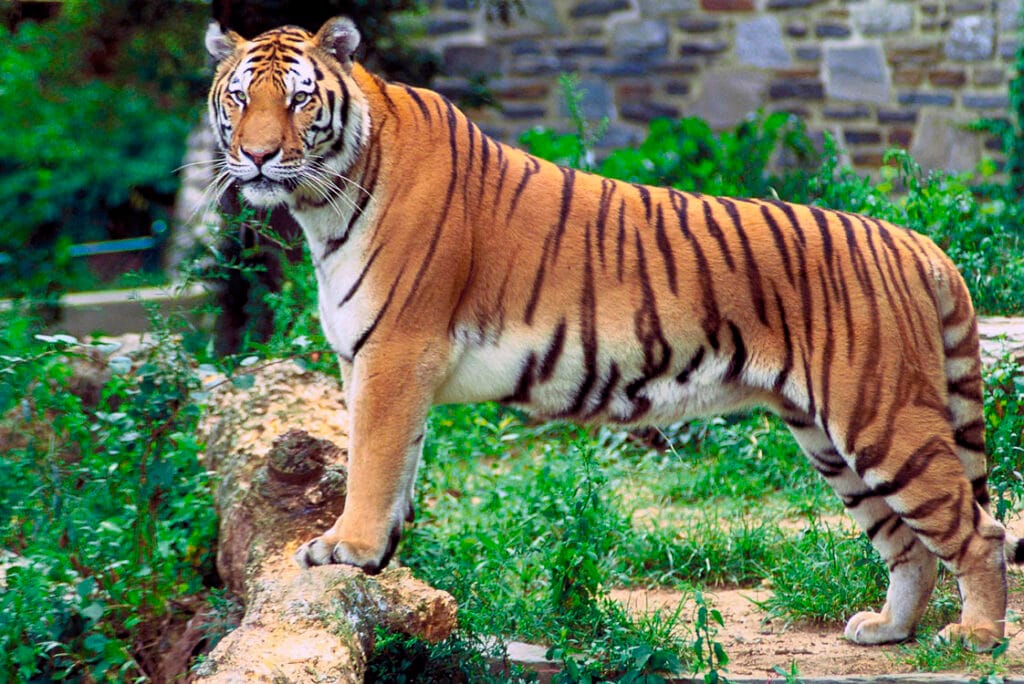
Dream about a tiger signifies strength, courage, authority, leadership, struggle, and confronting major responsibilities. This dream describes a period in which the dreamer must make important decisions, face powerful rivals, or reveal hidden personal potential. Whether the tiger is calm or aggressive, approaches the dreamer, moves away, or walks beside them determines the details of the interpretation.
The tiger is one of nature’s most powerful predators. Its patient, observant nature and ability to wait for the right moment remind the dreamer that success requires not only strength but also strategy. For this reason, dreaming about a tiger emphasizes the importance of acting wisely as well as courageously. Seeing a powerful tiger announces major opportunities, but it also reveals that these opportunities will bring serious responsibilities.
In classical Islamic dream literature, the tiger is associated with a strong, courageous, authoritative, yet harsh-tempered person. In works attributed to Ibn Sirin, the tiger describes a fearless enemy, a powerful rival, and a major obstacle that requires determination. Defeating the tiger signifies gaining the upper hand over an enemy, while a friendly tiger reflects beneficial relationships with influential people. Therefore, dreaming about a tiger announces both great success and struggles that require caution.
General Interpretation of Dreaming About a Tiger
Dreaming about a tiger reflects strong character, determination, and the ability to overcome difficulties. The dreamer enters a period of making courageous decisions, increasing self-confidence, and finding the strength to overcome obstacles.
A calm tiger reflects disciplined strength, emotional control, and success achieved through patience. The dreamer controls emotions, waits for the right moment, and moves toward goals with a clear plan.
An angry or attacking tiger reflects pressure, powerful rivals, and conflicts that require resolution. The dream reminds the dreamer to act with courage rather than surrendering to fear.
Seeing a tiger watching from a distance announces an important development that has not yet fully emerged. A tiger approaching the dreamer reflects new leadership opportunities, connections with influential people, and responsibilities that require strength and maturity.
Dreaming About a Tiger According to Ibn Sirin
In classical dream sources attributed to Ibn Sirin, the tiger is described as a strong, courageous, imposing, and harsh-tempered enemy. It refers not only to physical strength but also to influence, authority, and people who inspire fear.
Seeing a tiger reflects an encounter with a powerful rival and the beginning of an important struggle. This struggle is not limited to open enemies. It also includes workplace competition, relationships with influential people, and confronting personal fears.
Defeating the tiger signifies overcoming rivals, disrupting the plans of enemies, and successfully completing a difficult period. Escaping from a tiger attack reflects surviving a major danger, leaving hardship behind, and entering a safer phase of life.
A tame tiger or a tiger that causes no harm reflects friendship with powerful individuals, receiving support from influential people, and gaining valuable opportunities through respected connections.
In Ibn Sirin’s interpretation, the dreamer’s reaction is as important as the tiger’s strength. A person who acts courageously reaches success, while someone who runs away in fear must develop greater determination to resolve the problems ahead.
Dreaming About a Tiger According to Al-Nabulsi
Abd al-Ghani al-Nabulsi connects predatory animals such as the tiger with powerful enemies, people in authority, and difficult life struggles. The tiger’s appearance, behavior, and manner of approaching the dreamer shape the interpretation.
Seeing a calm tiger reflects disciplined power, controlled strength, and success earned through patience. When power is used wisely, the dreamer gains both material and spiritual benefits.
A tiger attack reflects conflict with strong rivals, confronting injustice, and facing situations that require courage. The dream reminds the dreamer that even the most difficult obstacles can be overcome through determination.
Successfully escaping from a tiger signifies avoiding danger, preventing serious harm, and reaching safety through intelligent decisions.
In Al-Nabulsi’s interpretation, the tiger also refers to powerful rulers, state officials, and respected figures in society. For this reason, dreaming about a tiger also announces new opportunities created through relationships with influential people.
Sufi Perspective on Dreaming About a Tiger
In Sufi thought, the tiger reflects strong desires within the ego, anger, ambition, and inner forces that require discipline. Before confronting the struggles of the outer world, a person must first struggle with the ego. True victory is achieved through this inner battle.
Controlling a tiger reflects disciplining the ego, mastering anger, and reaching spiritual maturity. The dreamer learns patience, leaves pride behind, and begins using personal strength for goodness.
Walking peacefully beside a tiger expresses the union of strength and wisdom. When power is used with justice, the individual benefits others and reaches spiritual peace.
Fear of the tiger reveals that the dreamer has not yet fully confronted inner anger, ambition, or fear. According to Sufi teachings, real strength does not come from defeating others, but from controlling the ego and bringing peace to the heart.
For this reason, dreaming about a tiger describes not only external struggles but also the profound inner transformation taking place within the dreamer.


Psychological Interpretation
From a psychological perspective, the tiger reflects inner strength, self-confidence, determination, competitiveness, and intense emotions that require control. People who carry major responsibilities, work in highly competitive environments, or constantly feel the need to prove themselves often see this type of dream. The subconscious expresses personal power and psychological pressure through the image of a tiger.
The tiger’s behavior reveals important details about the dreamer’s emotional state. A calm and silent tiger reflects emotional control, growing confidence, and the ability to remain composed under pressure. It shows that inner strength is being used in a balanced way and that the dreamer is gaining greater control over life.
An angry or attacking tiger reflects repressed anger, severe stress, and unresolved inner conflicts. Unspoken emotions, feelings of injustice, and postponed problems accumulate in the subconscious and emerge in dreams as a powerful predator.
Feeling afraid of the tiger indicates hesitation about using personal power or accepting major responsibilities. Approaching the tiger, making eye contact with it, or calming it reflects increasing confidence, overcoming fear, and greater psychological resilience.
Modern psychology also connects this dream with leadership, determination, and adaptability during major life changes. Dreaming about a tiger therefore draws attention to inner strength and the need to use that power consciously.
Dreaming About a Tiger According to Freud
According to Sigmund Freud’s psychoanalytic theory, wild animals in dreams express powerful instincts, desires, and conflicts hidden in the unconscious. The tiger is one of the clearest images of these intense drives. Its strength, aggression, and fearlessness bring attention to the primitive side of human nature that the conscious mind tries to control.
From Freud’s perspective, dreaming about a tiger reflects repressed anger, competitiveness, the desire to dominate, and the need to gain power. Emotions that cannot be expressed openly in daily life appear in dreams through symbolic images. The tiger becomes a powerful expression of this suppressed energy.
A tiger attack shows that hidden emotions have reached a level that is difficult to control. The dreamer must face accumulated anger, ambition, or rivalry. The dream reveals that unresolved conflicts are becoming increasingly visible.
Running away from a tiger reflects avoidance of strong emotions, postponed responsibilities, or fear of one’s own power. Defeating or controlling the tiger shows that unconscious drives are beginning to be managed consciously and that psychological balance is being restored.
In Freud’s approach, the tiger is not only a symbol of fear. It also expresses powerful life energy. When directed wisely, this energy leads to success; when mismanaged, it creates internal conflict.
Dreaming About a Tiger According to Carl Gustav Jung
According to Carl Gustav Jung, the tiger is one of the most powerful animal archetypes in the collective unconscious. Strength, courage, instinctive energy, and unknown aspects of the personality rise into awareness through this image.
Within Jung’s concept of the Shadow Archetype, the tiger expresses suppressed courage, anger, leadership, and undeveloped potential. The more a person rejects these qualities, the stronger the Shadow becomes. Psychological wholeness begins when these hidden traits are acknowledged and integrated.
Seeing a calm tiger shows that the dreamer is beginning to recognize personal power and use it consciously. Fear gradually gives way to self-confidence, allowing decisions to be made with greater determination.
Fighting a tiger reflects a crucial stage in the process of individuation. The individual faces not only external obstacles but also personal fears, anger, and rejected qualities. When this inner struggle is resolved, the person develops a stronger, more conscious, and mature identity.
Befriending a tiger reflects harmony between instinctive energy and conscious awareness. Power becomes constructive, protective, and productive rather than destructive. For Jung, genuine transformation begins not by rejecting the Shadow, but by recognizing and balancing it.
Dreaming about a tiger therefore describes more than an encounter with a dangerous animal. It reveals the discovery of deep inner potential and movement toward a higher level of personal maturity.
Neurological and Cognitive Explanation
From a neuroscientific perspective, the tiger is strongly connected to the brain’s threat-detection system, survival mechanisms, and emotional memory. During REM sleep, the amygdala, hippocampus, and other brain regions involved in emotional processing become highly active. Feelings such as stress, fear, excitement, and competition are reprocessed through powerful images such as tigers.
The appearance of a tiger in dreams reflects the brain’s natural tendency to simulate possible threats and prepare the mind for danger. Evolutionary psychology suggests that the human brain continues to preserve ancient survival responses to wild animals in symbolic form.
Tiger dreams appear more frequently among people facing intense stress, important decisions, competition, or psychological pressure. Through the image of the tiger, the brain processes conflict, evaluates risks, and attempts to restore emotional balance.
A calm tiger reflects controlled stress and emotional stability. An attacking tiger points to growing mental pressure and unresolved problems that require attention. From a neurological standpoint, this dream forms part of the brain’s natural process of emotional regulation and memory reorganization during sleep.
Spiritual Interpretation
In spiritual traditions, the tiger expresses willpower, courage, life force, and spiritual determination. Major transformation often begins when a person confronts fear. The tiger embodies this confrontation.
Dreaming about a tiger reveals the need to recognize inner strength, overcome fear, and accept major responsibilities with courage. When power is used wisely, it leads to success, wisdom, and spiritual growth.
A calm tiger reflects spiritual balance, patience, and disciplined energy. An aggressive tiger reflects anger, ambition, or difficult life lessons that require conscious control. Spiritual development depends on directing this energy in a constructive way.
In many ancient traditions, the tiger serves as a spiritual guide that teaches people to face fear rather than avoid it. Fear grows when it is avoided and loses its power when confronted.
Dreaming about a tiger therefore carries a strong message about courage, confidence, spiritual maturity, and moving forward with determination.
Different Scenarios of Dreaming About a Tiger
Dreaming About a White Tiger
A white tiger signifies wisdom, strong intuition, and unusual opportunities. The dreamer reaches the right decision in an important matter and begins to understand events from a deeper perspective.
Dreaming About a Black Tiger
A black tiger reflects hidden rivals, unknown fears, and situations that require caution. Patience and careful judgment lead to success.
Dreaming About a Tiger Attack
A tiger attack reflects conflict with a powerful rival, intense pressure, and situations that demand courage. Remaining calm allows the dreamer to overcome the challenge successfully.
Dreaming About Running Away from a Tiger
Running away from a tiger reflects postponed problems, avoided fears, and the desire to escape major responsibilities. The central message of the dream is the need to confront these issues directly.
Dreaming About Defeating a Tiger
Defeating a tiger signifies major success, victory over competitors, and the successful end of a long struggle.
Dreaming About a Tame Tiger
A tame tiger reflects controlled strength, increasing confidence, and developing leadership abilities. The dreamer begins to use personal potential wisely.
Dreaming About a Tiger Cub
A tiger cub reflects developing talents, future opportunities, and potential that will grow into major success when properly nurtured.
Dreaming About Feeding a Tiger
Feeding a tiger reflects taking on major responsibilities, managing powerful projects, and making important decisions. Properly directed power produces significant results.
Dreaming About Befriending a Tiger
Befriending a tiger signifies support from influential people, cooperation with strong leaders, and the creation of powerful alliances.
Dreaming About a Tiger in a Cage
A tiger in a cage reflects suppressed strength, unused talent, and potential that has remained hidden for too long. The dream reminds the individual that it is time to release and use that power.
Dreaming about a tiger reflects strength, courage, leadership, conflict, and the awakening of great potential. In classical Islamic interpretations, the tiger is associated with a powerful and intimidating enemy. Defeating the tiger signifies victory over adversaries, while escaping from it reflects overcoming major hardship.
In Sufi thought, the tiger describes control over the ego and progress toward spiritual maturity. Psychology connects it with confidence, suppressed emotions, and competitiveness. Freud linked the image to powerful unconscious drives, while Jung understood it as one of the strongest expressions of the Shadow Archetype and the individuation process. Neuroscience explains the tiger through the brain’s processing of threat, emotional memory, and survival responses.
The most accurate interpretation depends on the tiger’s behavior, the dreamer’s reaction, the surrounding environment, and the emotions experienced throughout the dream. Together, these details reveal which area of life the dream’s message concerns.